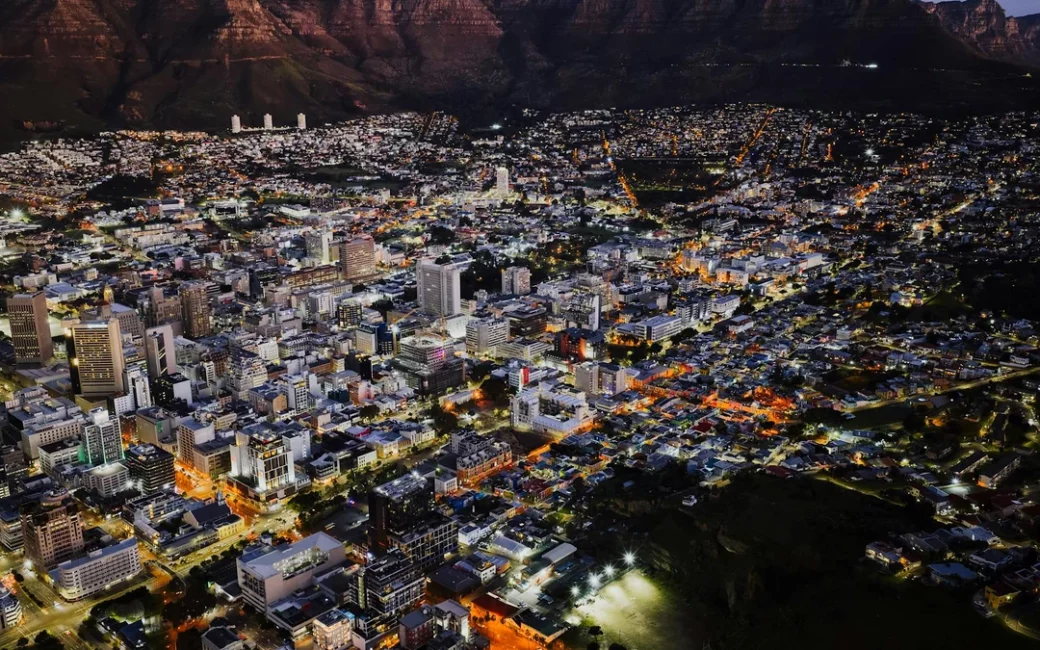
AI images are starting to change how UK agencies think about a Cape Town shoot before anyone books a flight. The first effect is not aesthetic. It is operational. Teams are using generated imagery to test ideas faster, narrow down concepts sooner, and decide which parts of a campaign need a physical setup and which parts can be built or extended later.
For stills and commercial work, that changes the shape of the project. A production can move from a broad creative wish list to a much tighter plan, with clearer decisions about what needs to be shot in South Africa, what can be simulated, and where the budget should actually sit.
Where AI fits in the brief
The most useful role for AI images is at the front of the process. Agencies can ask for multiple visual directions, then use those outputs to settle on framing, mood, wardrobe, background tone, or environment design. Midjourney, Stable Diffusion, and DALL-E 3 are often used for early concepting, while Adobe Firefly and RunwayML can support production-adjacent workflows that sit closer to the final build.
For UK teams planning in Cape Town, this means the brief has to be more specific. A shoot that once began with a loose mood board may now need an AI asset plan. Someone has to decide which elements are being generated, which ones are being photographed, and how the two will meet in post. That decision should happen before location scouting gets too far down the line, because it affects crew size, plate capture, lighting references, and even the type of locations worth booking.
Cape Town still matters as a service-production base because it gives UK clients a strong physical platform for the real parts of the campaign. It is especially useful when the production needs experienced local coordination, strong daylight options, and reliable support for high-end stills or commercial work. AI does not replace that. It changes how much of the final image must be built on set.
Budget lines move around
AI often reduces classic location spend, but it rarely makes the budget smaller across the board. It redistributes cost.
If a project can avoid multiple locations, it can save on permits, travel, and accommodation. City of Cape Town film permits can run from about R500 to R5000 or more per day, and return flights from the UK to Cape Town are commonly in the £600 to £1200 range. Those figures add up quickly once a crew, client team, or talent roster starts growing.
Talent and crew costs can also drop when AI handles background people, generic crowd shots, or certain product variations. Professional models in South Africa may be paid R5,000 to R20,000 or more per day, and agency fees usually sit around 20 to 30 percent of the talent fee. If AI can cover some of those needs, the spend may shift away from casting and toward compositing.
Then the new costs appear. Midjourney Pro is around $48 a month, and Adobe Firefly Premium is priced at roughly £4.99 a month for credits, but those subscriptions are only a small part of the picture. Skilled prompt engineers may charge £50 to £150 per hour, and an experienced AI art director can become another line item entirely. Post-production can also become more expensive because the final image has to be cleaned up, blended, and graded properly. Photoshop, Nuke, and DaVinci Resolve become more central, not less.
The workflow gets more layered
Traditional production still follows a familiar path, but AI inserts extra checkpoints into it. The brief now has to separate what will be generated from what must be captured live. Pre-production becomes more iterative, because prompts are tested, revised, and re-tested before the client sees a usable direction.
That creates a hybrid shooting model in Cape Town. Teams may focus on foreground talent, textures, plates, lighting references, or isolated elements that can be inserted into a generated environment later. Clean backgrounds, tracking data, and camera consistency matter more than they would in a fully traditional shoot. If the final composite depends on a precise match, the on-set team has to capture with that in mind.
Version control also becomes a practical issue. AI can produce many close variations, and each one needs to be tracked properly so the wrong file does not land in final retouch. Strong asset management and clear review cycles become part of the production itself. UK creative leads, Cape Town production teams, and post supervisors all need the same approval logic, or the project starts to drift.
Crew and locations change shape
AI reduces the need for some on-the-ground roles, but it does not remove the need for Cape Town crews. It changes what they are doing. Large background units may become unnecessary for some scenes, while location scouts may focus more on details, such as a wall texture, a patch of sunlight, a stairwell, or an architectural angle that can anchor an AI-built environment.
That same logic affects talent. Brands may no longer need large groups of supporting artists for certain frames, but principal talent still matters when a product, face, or human interaction has to feel real. Photographers and DOPs also have a different job, because they are now shooting with the composite in mind rather than treating the set as the whole image.
A few new specialist roles may appear too. AI data capture, lidar, photogrammetry, and workflow supervision are all becoming more relevant when a production is intended to bridge generated and photographed material cleanly.
Legal review is no longer optional
The legal and ethical side needs the same attention as the production plan. In the UK, the Copyright, Designs and Patents Act 1988 treats computer-generated works differently from ordinary authorship, but the wider picture is still unsettled. In the United States, the Copyright Office has taken a stricter view and will only register human-authored work. That divergence matters for campaigns that may travel across borders.
Likeness rights create another risk. Generating faces that resemble real people, whether celebrities, models, or private individuals, can trigger privacy, defamation, and consent issues. In international work, UK GDPR and South Africa’s POPIA both matter, and contracts with Cape Town service providers need to spell out ownership, usage rights, and indemnities clearly. The same is true where AI platforms are involved, including debates raised by cases such as Getty Images versus Stability AI.
Bias also has to be checked, because AI systems can flatten or distort representation if they are not directed carefully. If a brand cares about trust, disclosure may be the right call as well, especially when AI is materially shaping the image.
Why this matters for Cape Town shoots
UK agencies are not using AI images to avoid Cape Town. They are using them to plan Cape Town better. The strongest productions will treat AI as one part of a wider service-production system, where budgeting, travel, permits, crew planning, and post all adjust around a more flexible creative process. For high-end stills and commercial work, that kind of operational discipline is what keeps the job efficient without making it feel compromised.